
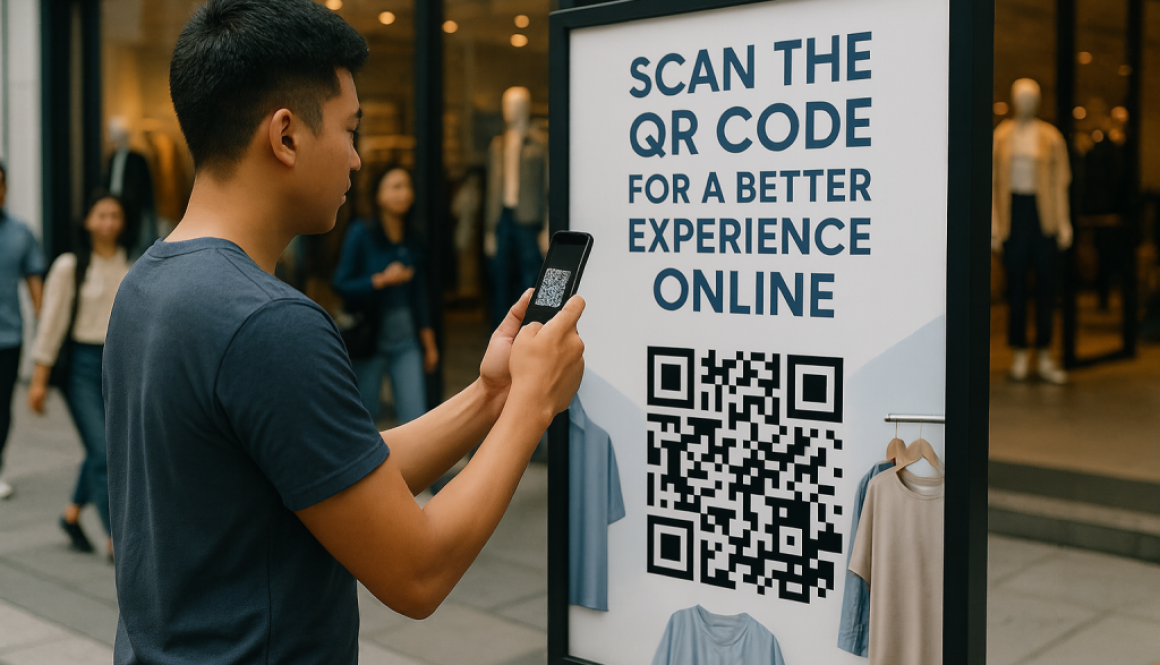
From Streets to Screens: Turning Offline Reach into Online Conversions with QR Codes
For years, physical flyers have always been the option for Singapore SMEs. Whether distributed at MRT stations, food courts, or HDB blocks, flyers were a simple and familiar way to get attention. But now customer behaviour has changed. With smartphone usage at nearly 93%, people today prefer scanning over carrying paper. They expect information to be fast, instant, and hassle-free. This change has created a new opportunity for Singapore SMEs: using QR codes to turn offline visibility into online conversions.
Why Singapore SMEs Should Start Using QR Codes?
Flyers may still work, but not the way they used to. Many people now prefer quick digital interactions instead of hassling themselves to carry physical materials. QR codes solve this problem by letting you keep your offline presence while shifting the next step online.
Recent data shows how powerful QR behaviour has become:
- 9 in 10 users engage with QR codes at least once a week
- 59% of smartphone users scan a QR code daily
- 28% scan QR codes weekly
- Only 4% rarely or never scan QR codes.
These numbers show one thing clearly: People are comfortable with QR codes because they offer speed, convenience, and direct access.
By shifting from “take this flyer” to “scan this code,” Singapore SMEs could reduce printing costs, waste, and manpower while still keeping their presence on the streets. This creates a cleaner process: customers get digital content instantly, and businesses get measurable results.
How QR Codes Increase Engagement and Conversions
- Higher Engagement Rates
With QR codes, SMEs can increase their click-through rate (CTR) up to 37%. People like scanning because it is immediate. One tap leads them to promotions, menus, booking pages, product details, reward campaigns, or as simple as giving a review or feedback. - Business Growth
A recent study shows that 58% of businesses experienced revenue growth after integrating QR codes into their customer touchpoints. This includes promotions, coupons, sign-ups, product inquiries, and digital engagement campaigns. - Offline Signage Works Even Better with QR Codes
QR codes turn every physical object into an interactive channel.
You can place them on:- Roadshows
- Posters
- Storefronts
- Table stickers
- Banners
- Food packaging
- Delivery bags
- Shopping bags
When someone scans a code on a signboard or sticker, they take action immediately instead of “checking later.”
With QR codes, SMEs no longer rely on someone reading a flyer and remembering to visit later. A single scan moves them straight from offline to online, from interest to action.
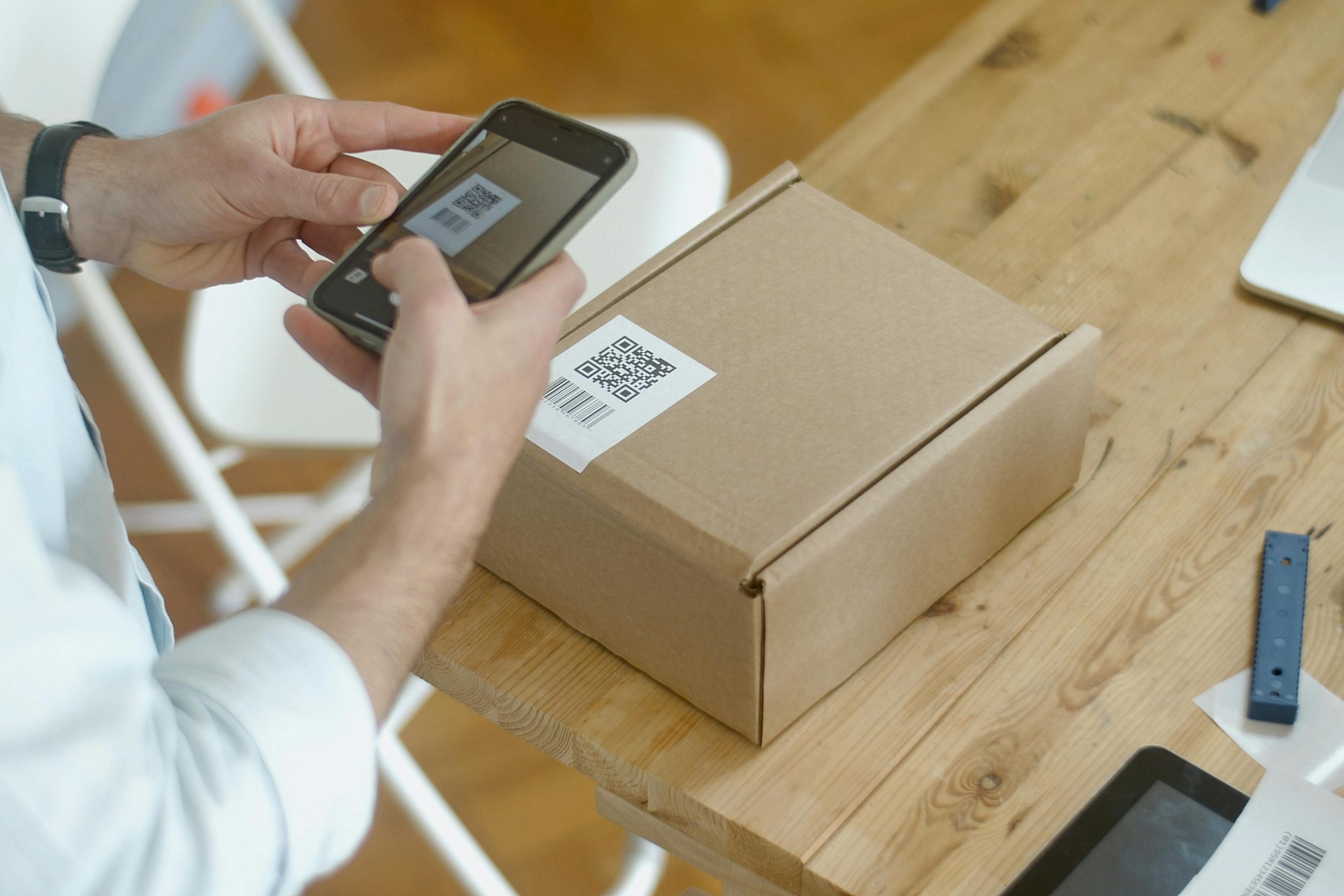
Why Singapore SMEs Must Start Using QR Code Marketing
Growing User Popularity
QR codes are now becoming a habit. Over 45% of shoppers use marketing-related QR codes, and the number increases to 54% for consumers aged 18 to 29. Singapore’s digital adoption is even faster, making QR codes one of the simplest ways to capture attention.
QR codes also create curiosity. When people see a code, they want to know what is behind it: a promo, a giveaway, a discount, or an exclusive offer.
Seamless O2O (Offline-to-Online) Integration
Singapore SMEs increasingly adopt omnichannel strategies. QR codes make O2O marketing effortless because they link physical advertising to digital actions.
Place a QR code on:
- Billboards
- Posters
- Menus
- Product packaging
- Magazine ads
- Events
A single scan sends users to your website, WhatsApp, online store, booking system, or social media. This builds a smooth customer journey.
Measurable Campaign Performance
QR codes are trackable. SMEs can see:
- How many people scanned
- When they scanned
- Where they scanned
- Which device did they use
This turns unmeasurable traditional marketing into data-driven campaigns. SMEs can finally know which locations work best and which promotions attract attention.
Cost-Effective for SMEs
For small businesses with tight budgets, QR codes provide a low-cost way to engage customers. They can be used across many formats—print, packaging, posters, or even stickers—without extra cost.
Real-Life Brands Using QR Codes to Boost Offline-to-Online Conversions
Here are 3 examples of some of the world’s biggest brands that use QR codes to turn street presence into digital actions.
Starbucks
Starbucks places QR codes in stores to boost mobile app downloads and reward sign-ups.
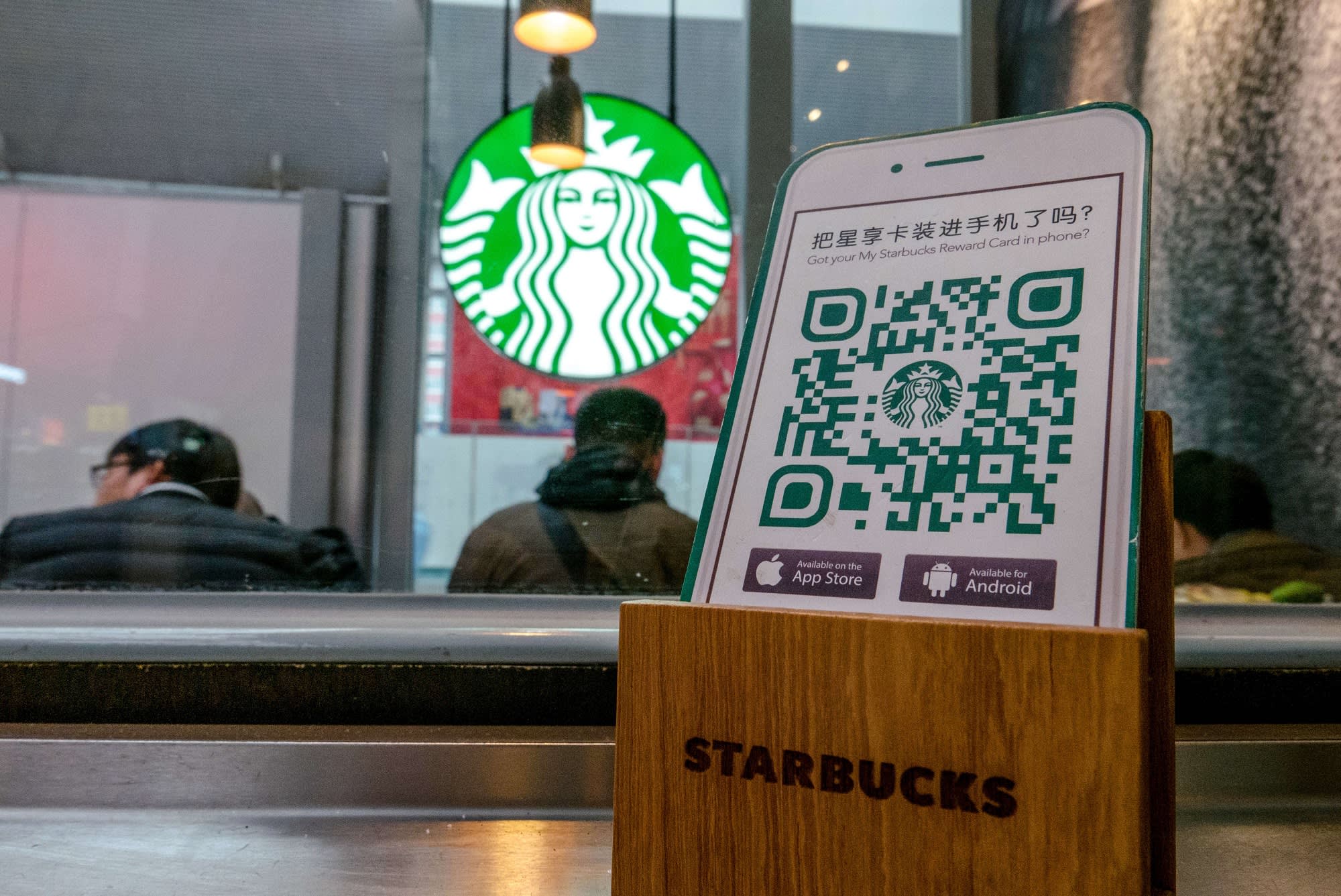
Image source: CNBC
IKEA
IKEA uses QR codes to promote its mobile app and product information, helping shoppers browse online while standing in the store.
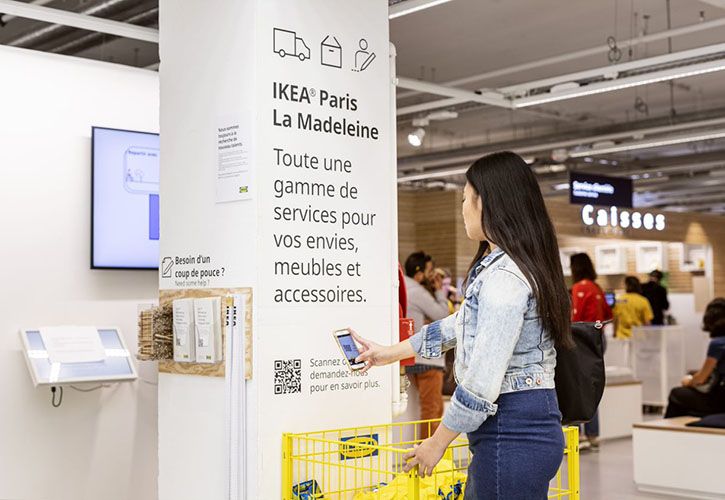
Image source: QRCodeChimp
Porsche
At the 2018 Digital Signage Expo, Porsche used a QR code that let users scan and design their own custom Cayenne Turbo 2019. This turned a physical booth into an interactive digital journey.
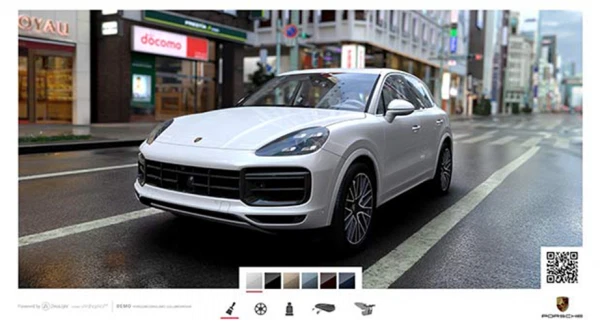
Image source: QRCodeChimp
All these brands share one idea: use offline assets to push customers into engaging online. This is the core of O2O marketing and exactly where Singapore SMEs can win.
Final Thoughts: How FDSG Helps You Fly Further with Digital Flyers
Traditional flyers are no longer enough. Customers want fast, digital interactions, and SMEs need measurable results.
FDSG brings both together.
What Is a Digital Flyer?
A digital flyer is the modern version of traditional flyer distribution, but designed for today’s mobile-first customers. Instead of handing out paper, businesses use QR codes to distribute digital content instantly. It is cleaner, faster, and far more measurable.
FDSG Helps You:
- Post flyers on the FDSG mobile app
- Track unique QR scans easily
- Run gift and lucky draw campaigns (share, tag, comment)
- Boost Facebook engagement (split tests, design optimization, and ad support)
- Run SMS and coupon campaigns
- Use video engagement for more attention
With FDSG, your flyers are not just printed; they are powered by digital engagement.
This is how SMEs in Singapore can fly further:
Less paper. More engagement. More conversions.
All through the power of the digital flyer.