Boost Your Sales with QR Codes and AI Chatbots: The Next Evolution of Digital Flyers
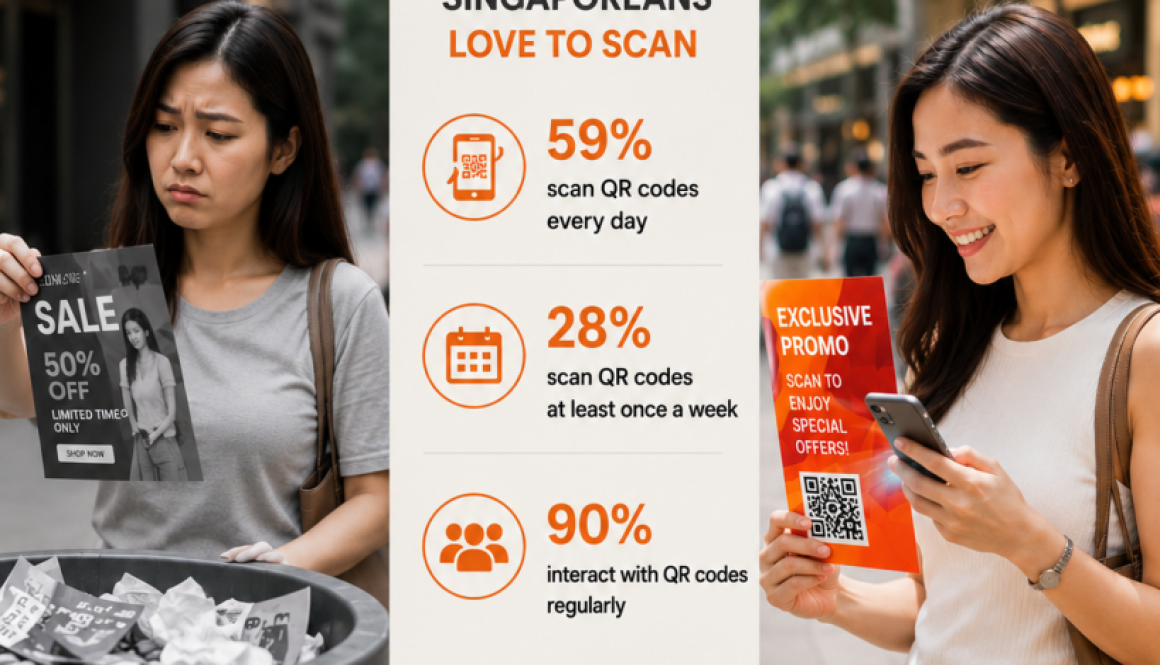
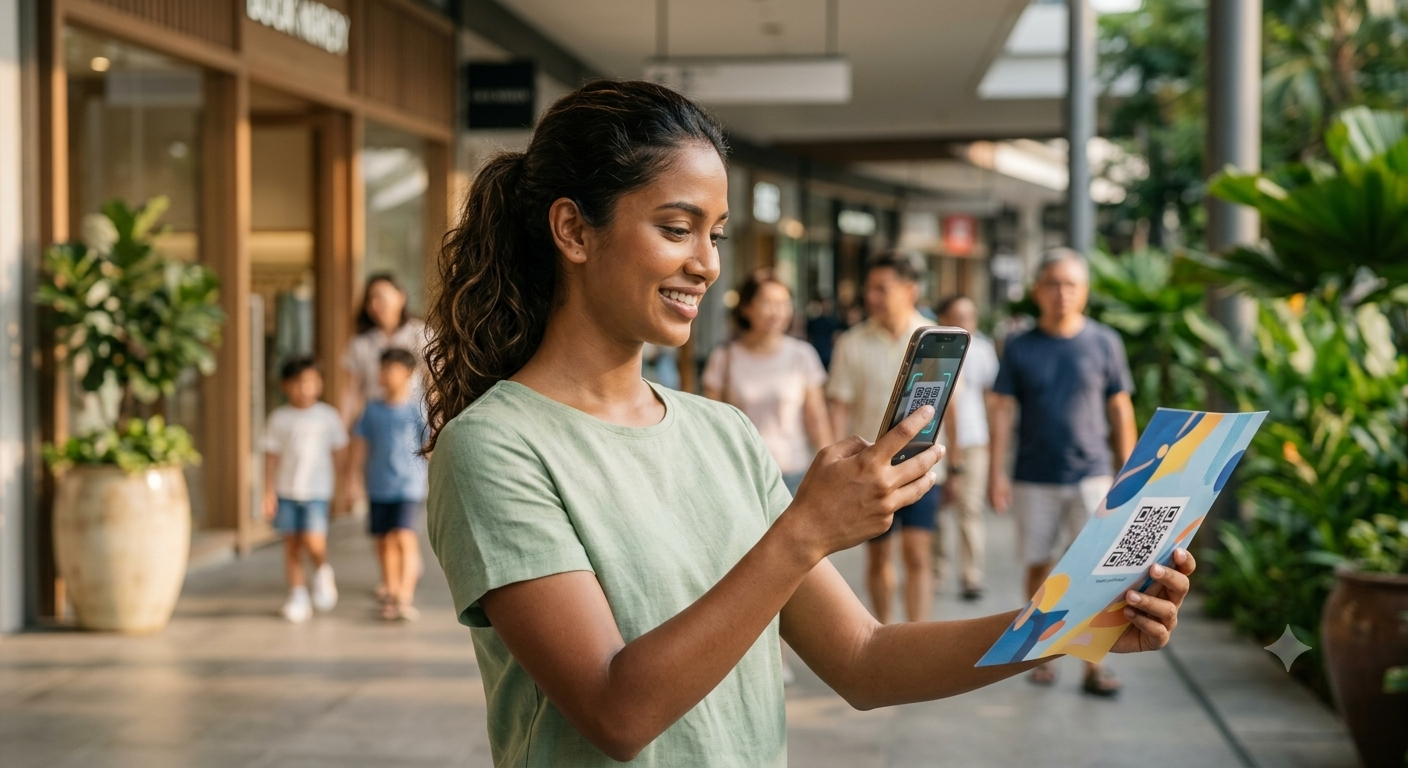
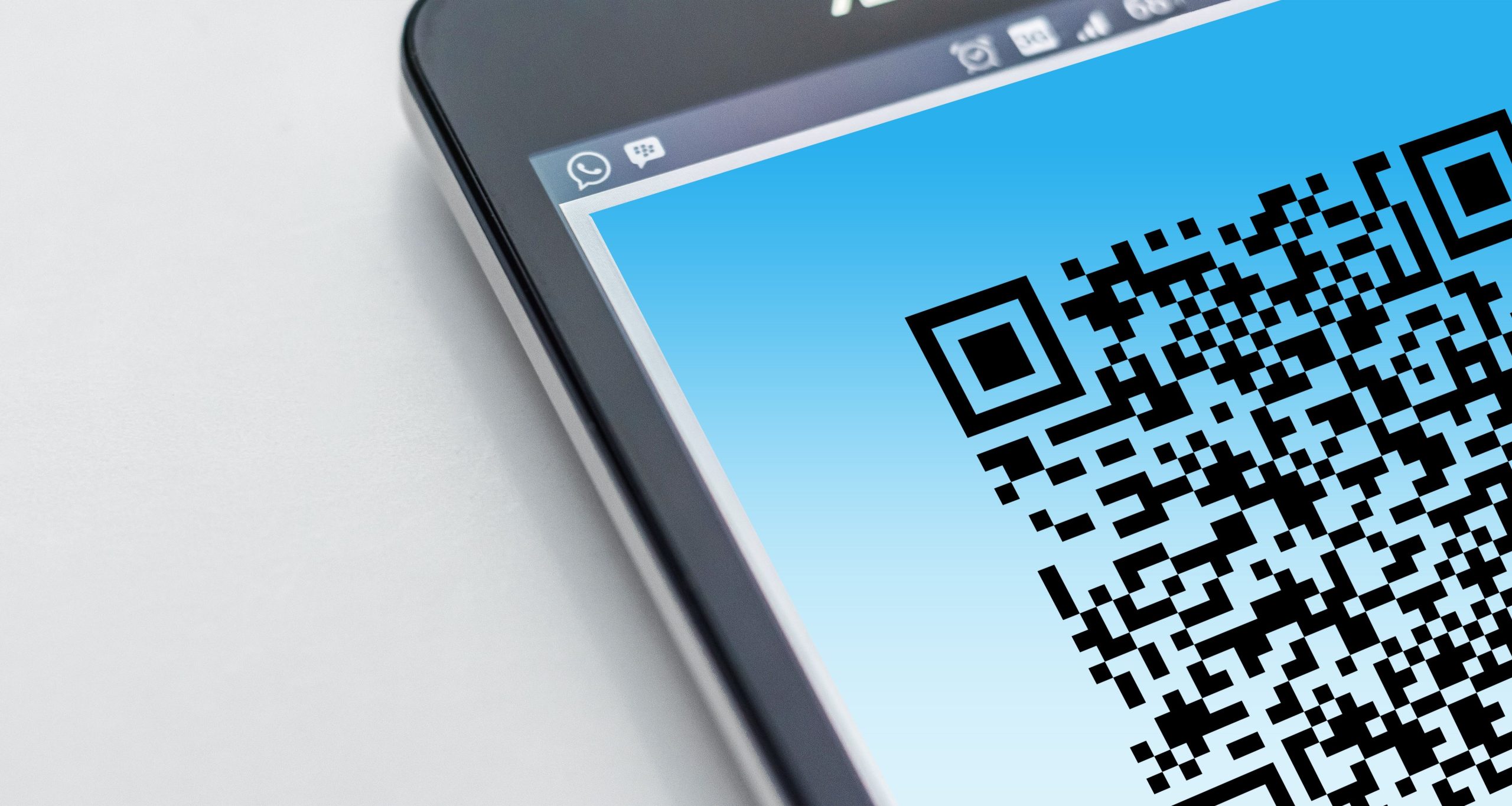
For years, QR codes have served one simple purpose: directing customers from printed materials to a website or landing page. Whether placed on flyers, posters, menus, or brochures, they have become an effective bridge between offline marketing and online engagement. As smartphone usage continues to grow in Singapore, scanning a QR code has become second nature for many consumers.
However, getting someone to scan your QR code is only the beginning. The bigger challenge for many SMEs is keeping customers engaged after they arrive on the landing page. Visitors often spend only a few seconds deciding whether to continue exploring or leave. If they cannot quickly find what they are looking for, many simply move on.
The next evolution of digital flyer marketing solves this problem through AI chatbots. Instead of directing customers to a static page filled with information, QR codes can now lead directly to an intelligent assistant that answers questions, recommends products, explains promotions, and guides visitors towards the next action. For Singapore SMEs, this transforms every QR scan into an opportunity for a real conversation.
How QR Codes Lead to AI Chatbots
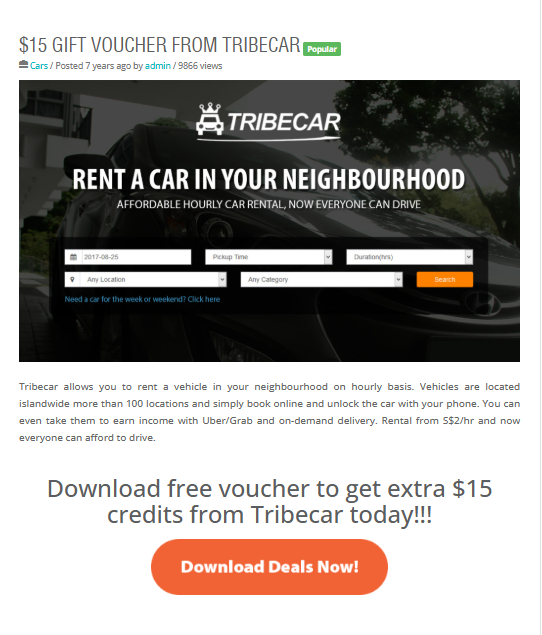
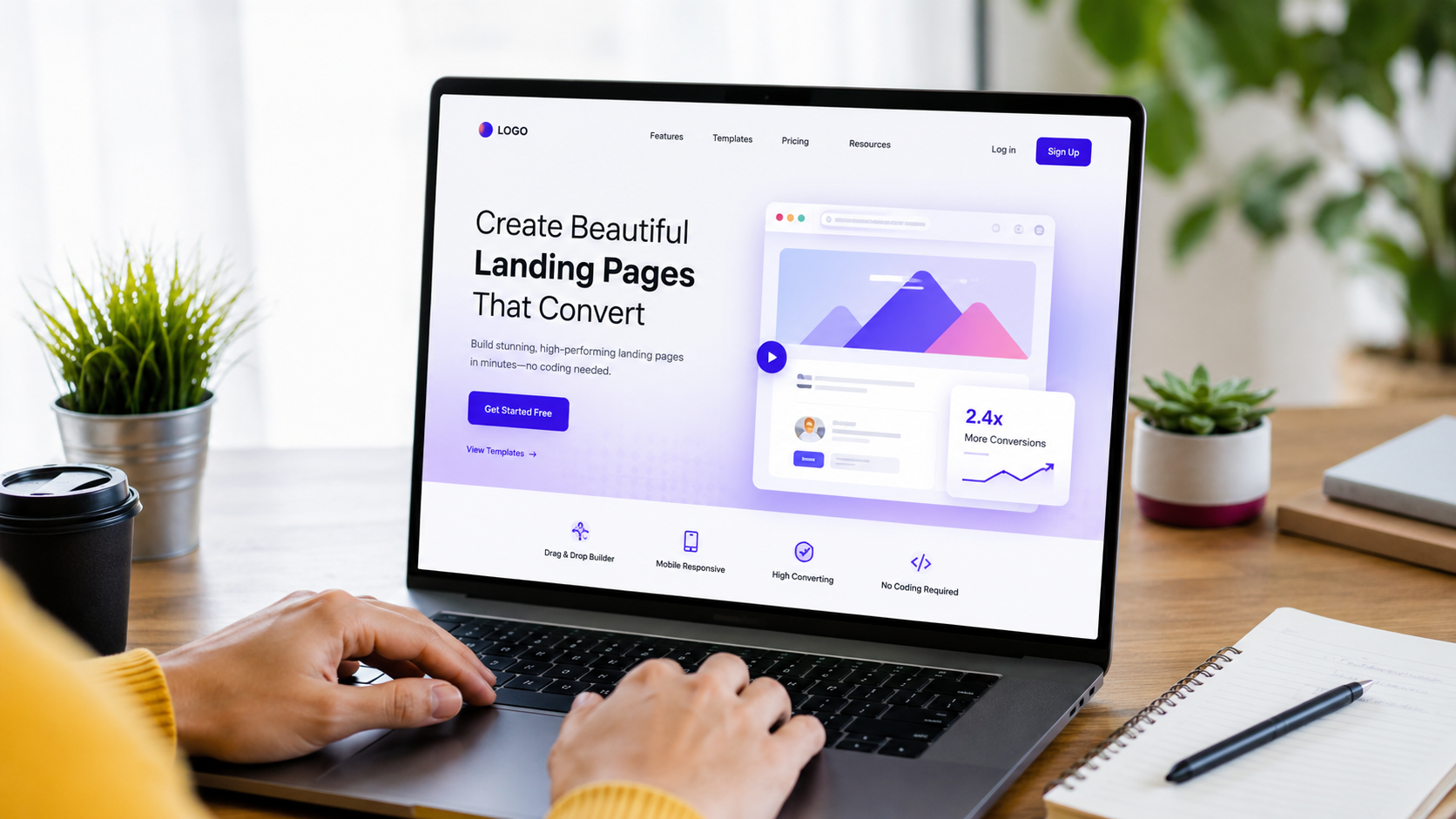
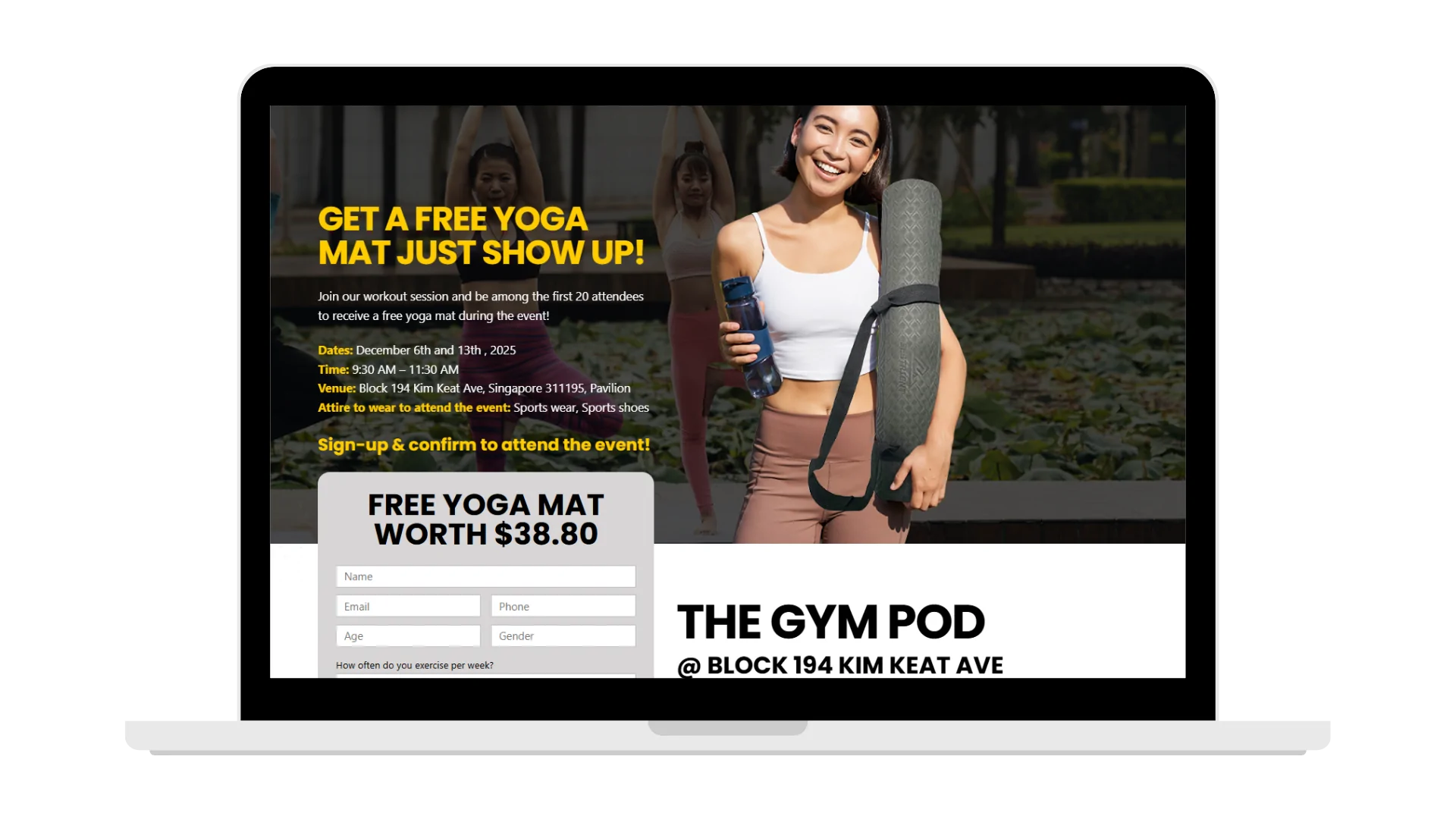
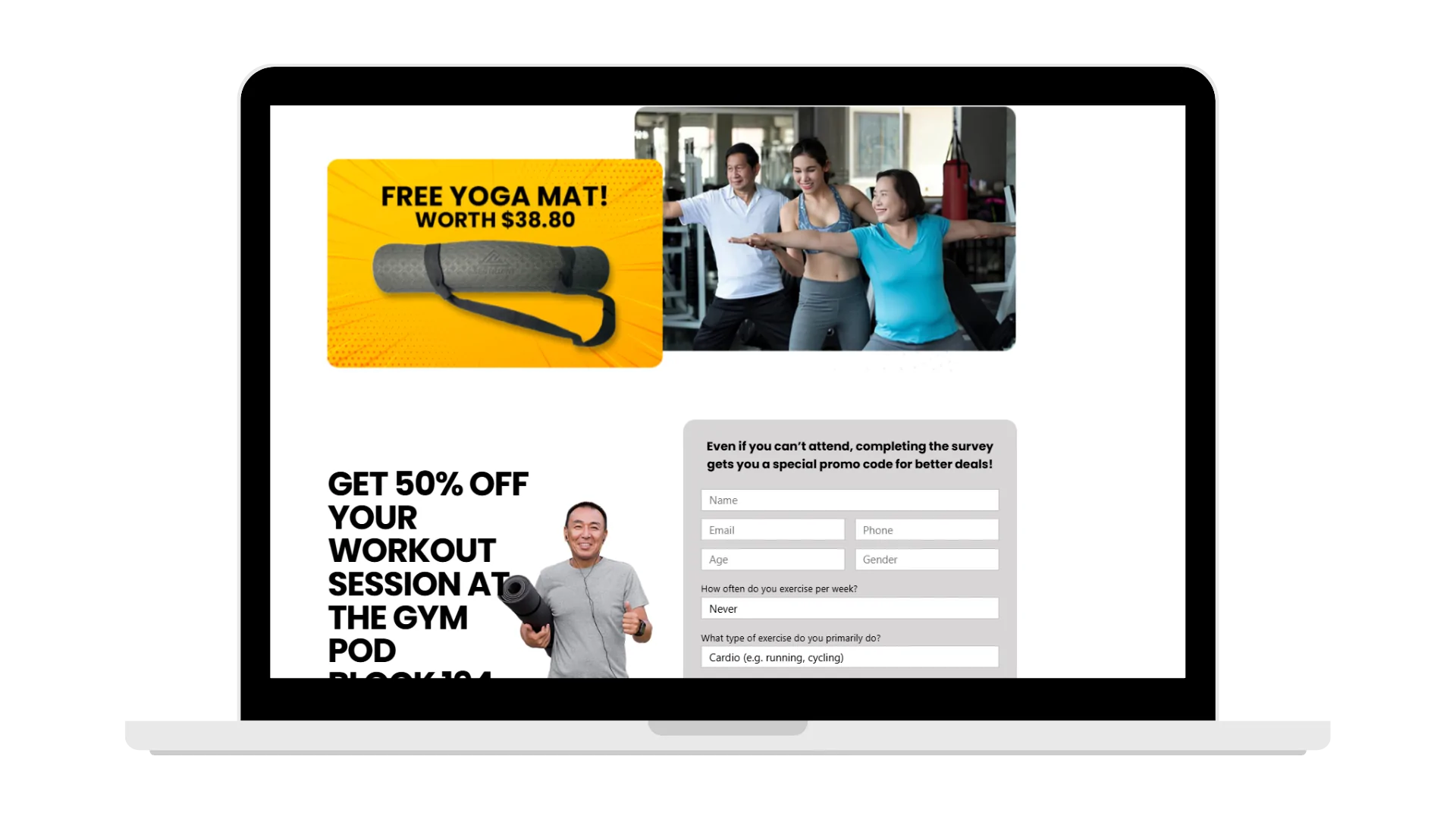
Think about the customer journey today. A printed flyer encourages someone to scan a QR code, which opens a landing page. From there, customers still need to search for information, read through multiple sections, or decide what to click next.
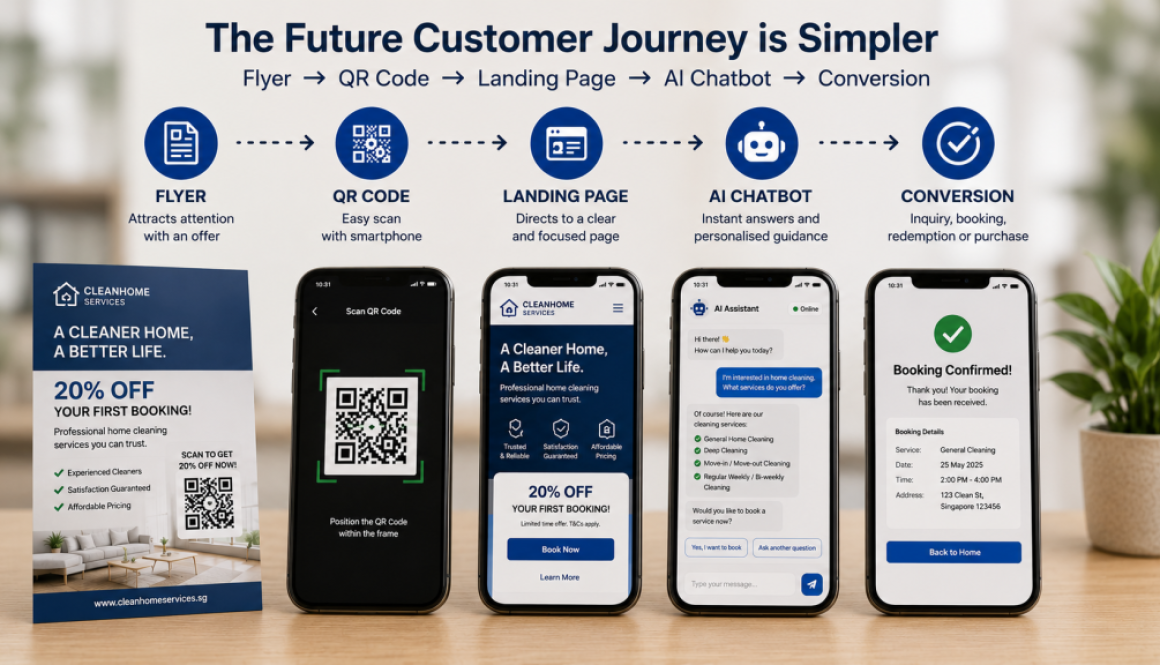
The future customer journey is much simpler:
Flyer → QR Code → Landing Page → AI Chatbot → Conversion
The AI assistant becomes the guide that helps customers move confidently towards making an enquiry, redeeming a promotion, booking a service, or completing a purchase.
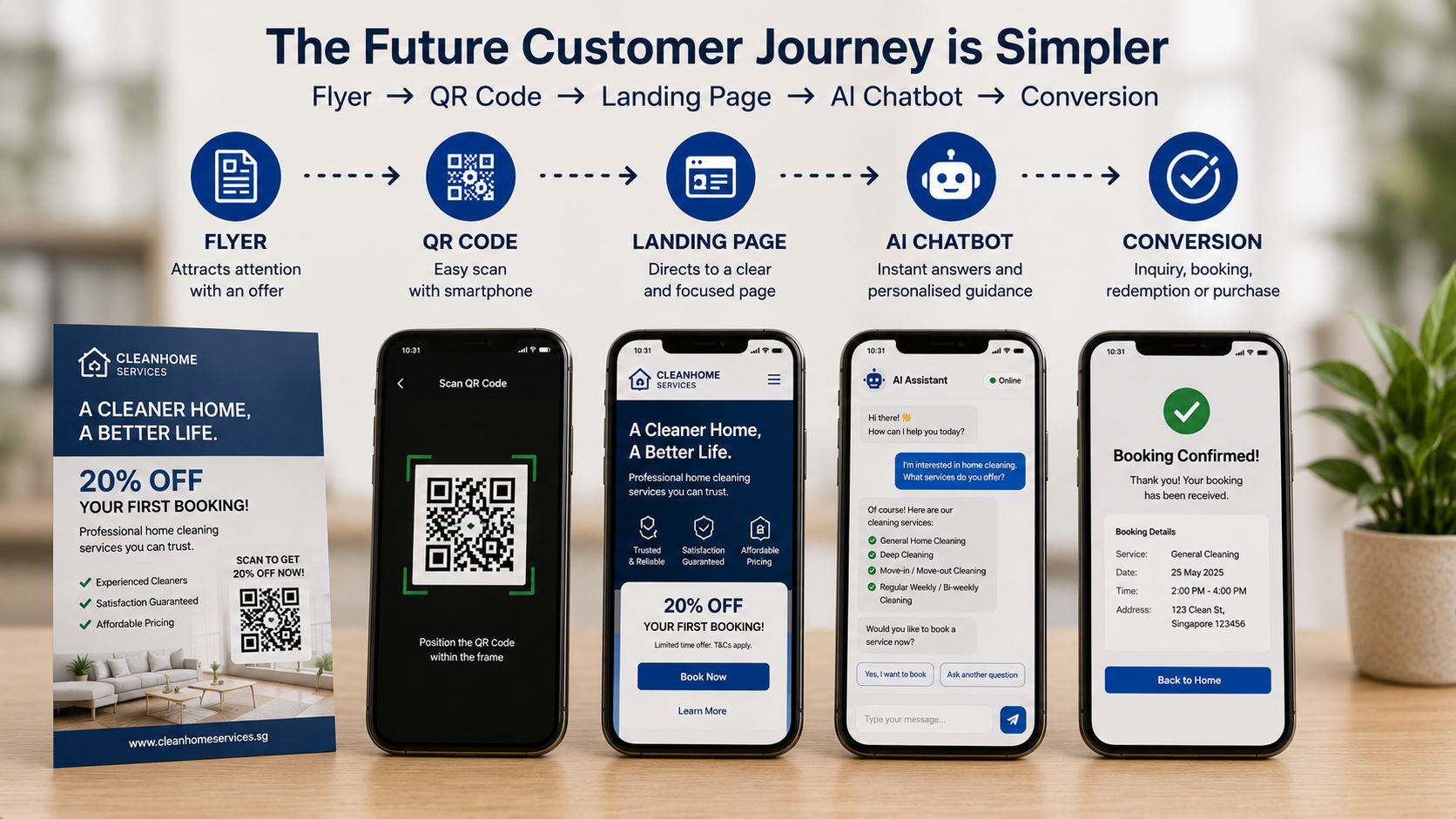
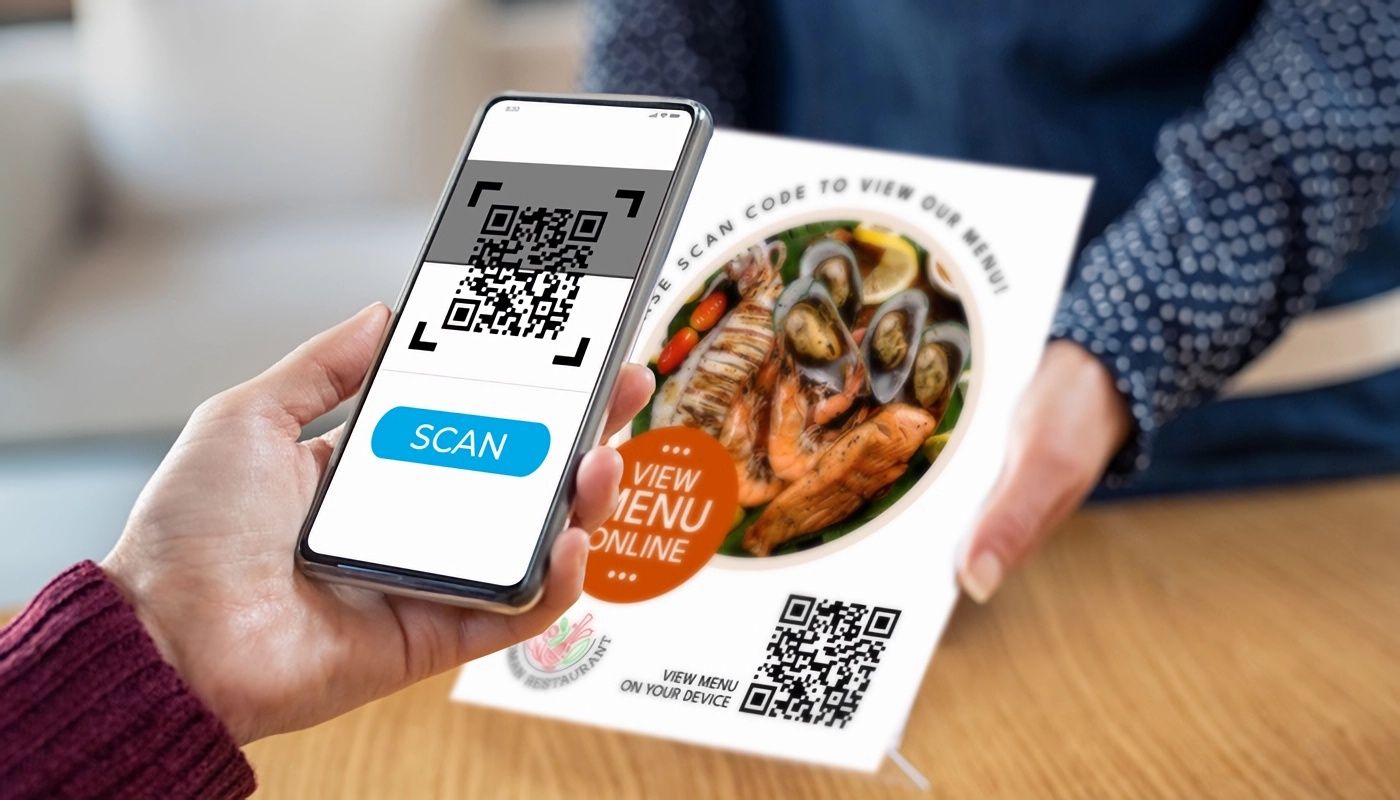
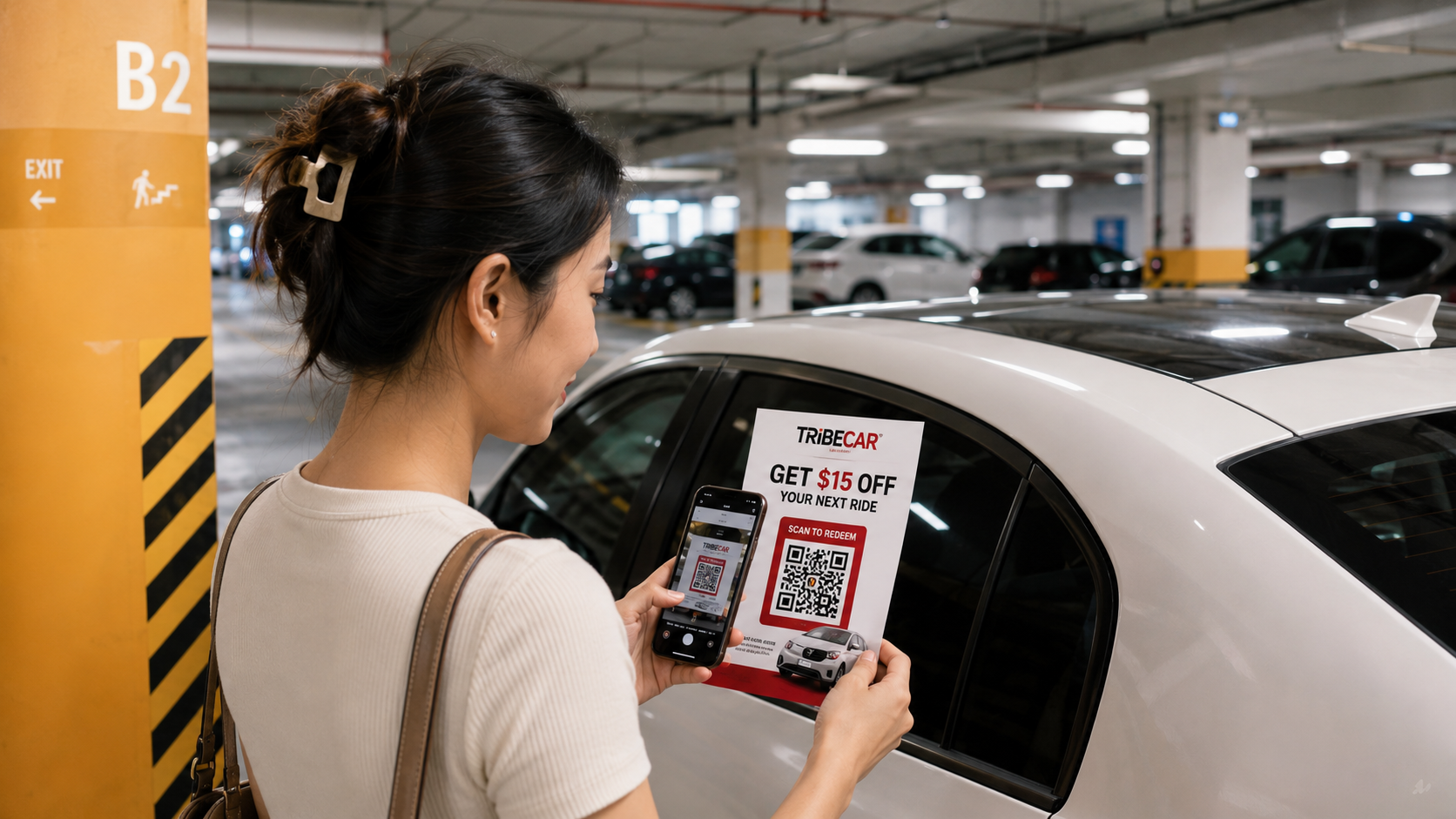
QR codes provide one of the fastest ways to begin these conversations because customers already have their smartphones with them. Businesses can place QR codes almost anywhere, including flyers, invitations, posters, restaurant tables, product packaging, exhibition booths, and retail displays. With a single scan, customers can immediately ask questions, join promotions, redeem rewards, or receive personalised recommendations without searching through an entire website.
According to Chat Data, 47% of organizations have already implemented chatbots for customer care, achieving cost reductions of up to 30%. The same research found that 51% of consumers are interested in using QR codes together with AI chatbots when shopping online.
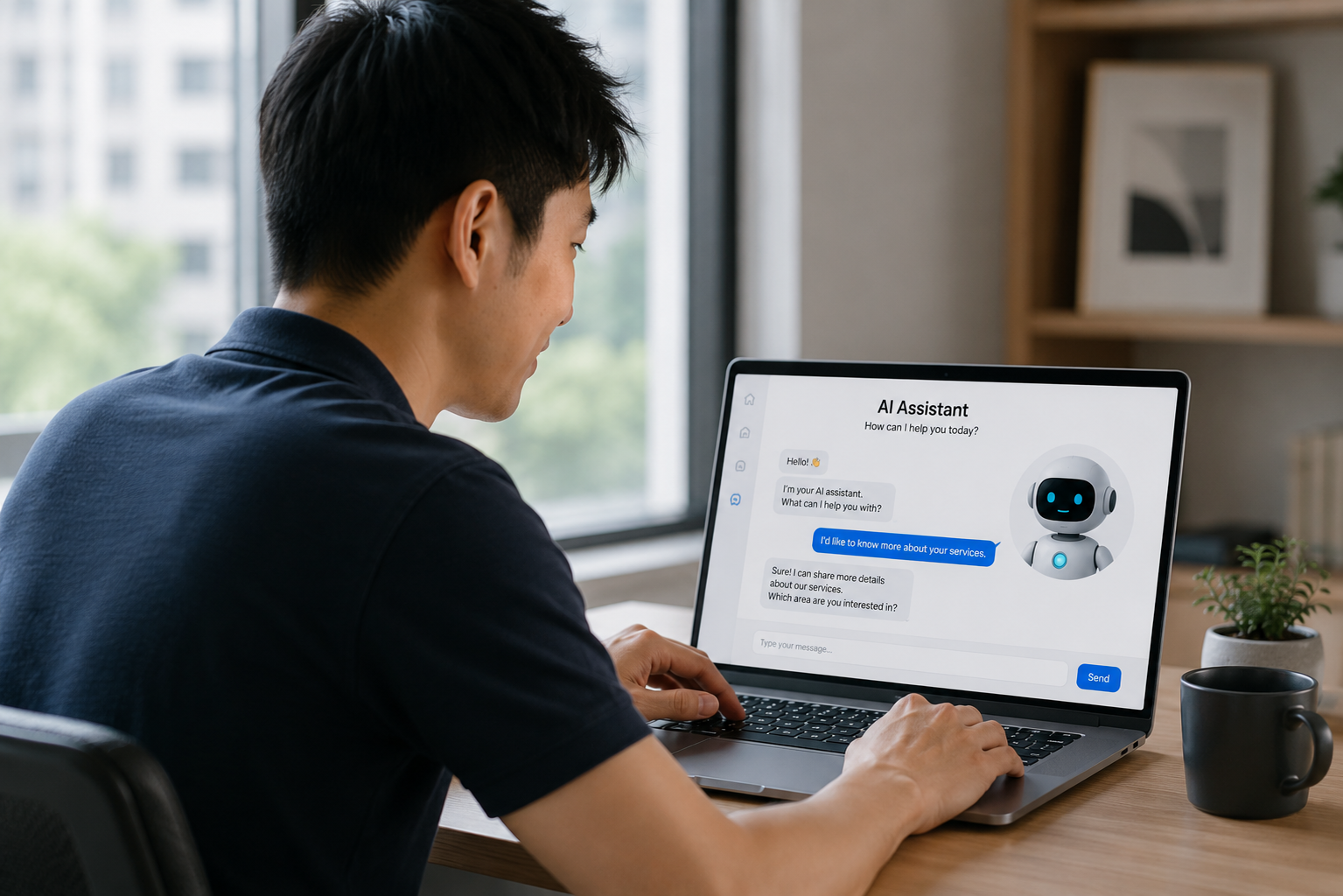
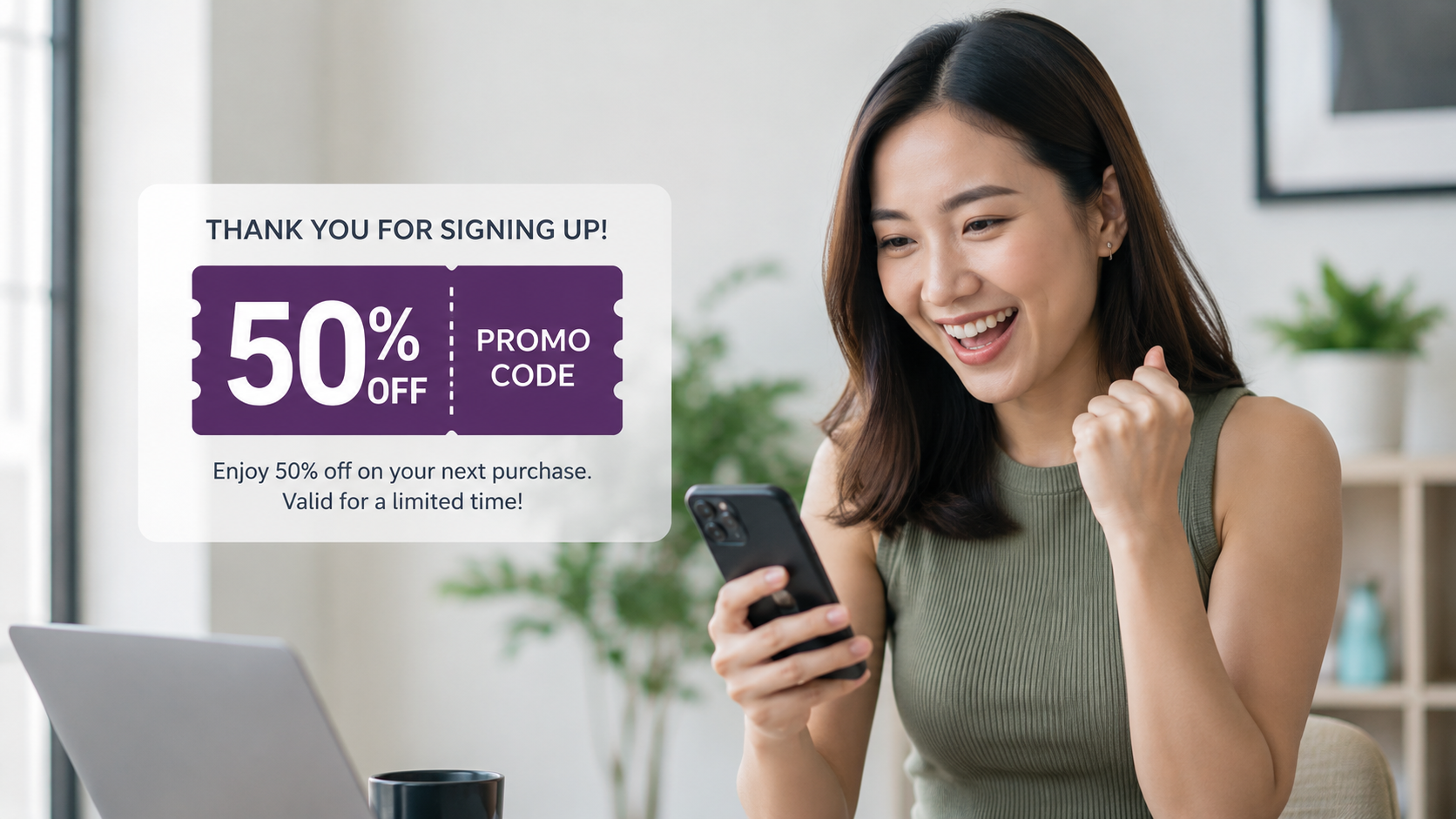
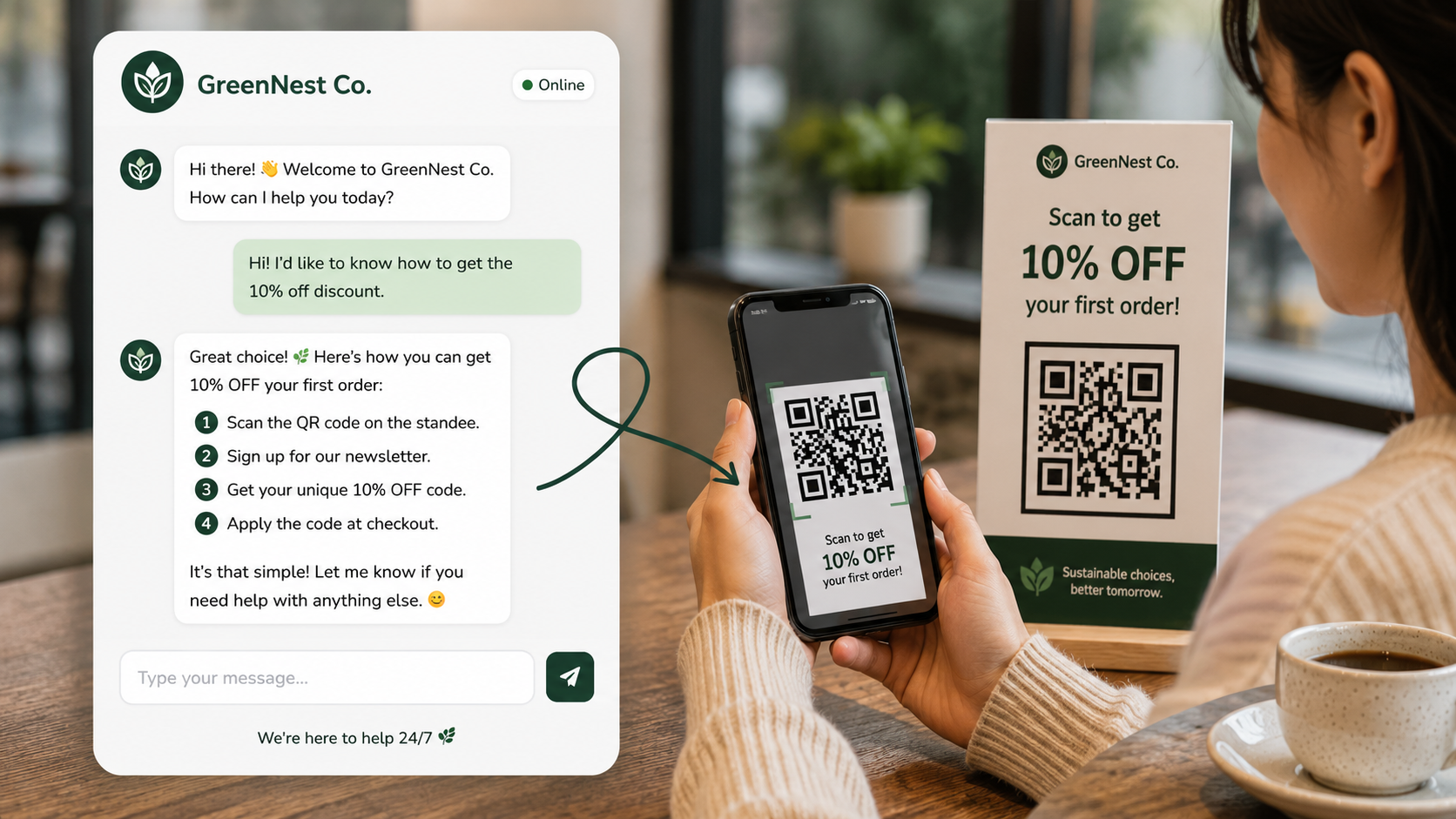
Beyond answering questions, AI chatbots also make campaigns more interactive. Businesses can invite customers to participate in lucky draws, quizzes, surveys, competitions, or promotional games after scanning a QR code. Exclusive promo codes, discount vouchers, digital guides, and reward coupons can all be delivered directly through the chatbot, creating an engaging experience that customers are more likely to remember and share.
How Different Industries Can Use AI QR Flyers
F&B
Imagine a customer scanning a QR code on a restaurant flyer while deciding where to have dinner. Instead of browsing through several web pages, they can immediately ask the AI assistant which meals are vegetarian, whether today’s promotion is still available, or where the nearest outlet is located. The conversation removes uncertainty and encourages faster dining decisions.
Beauty
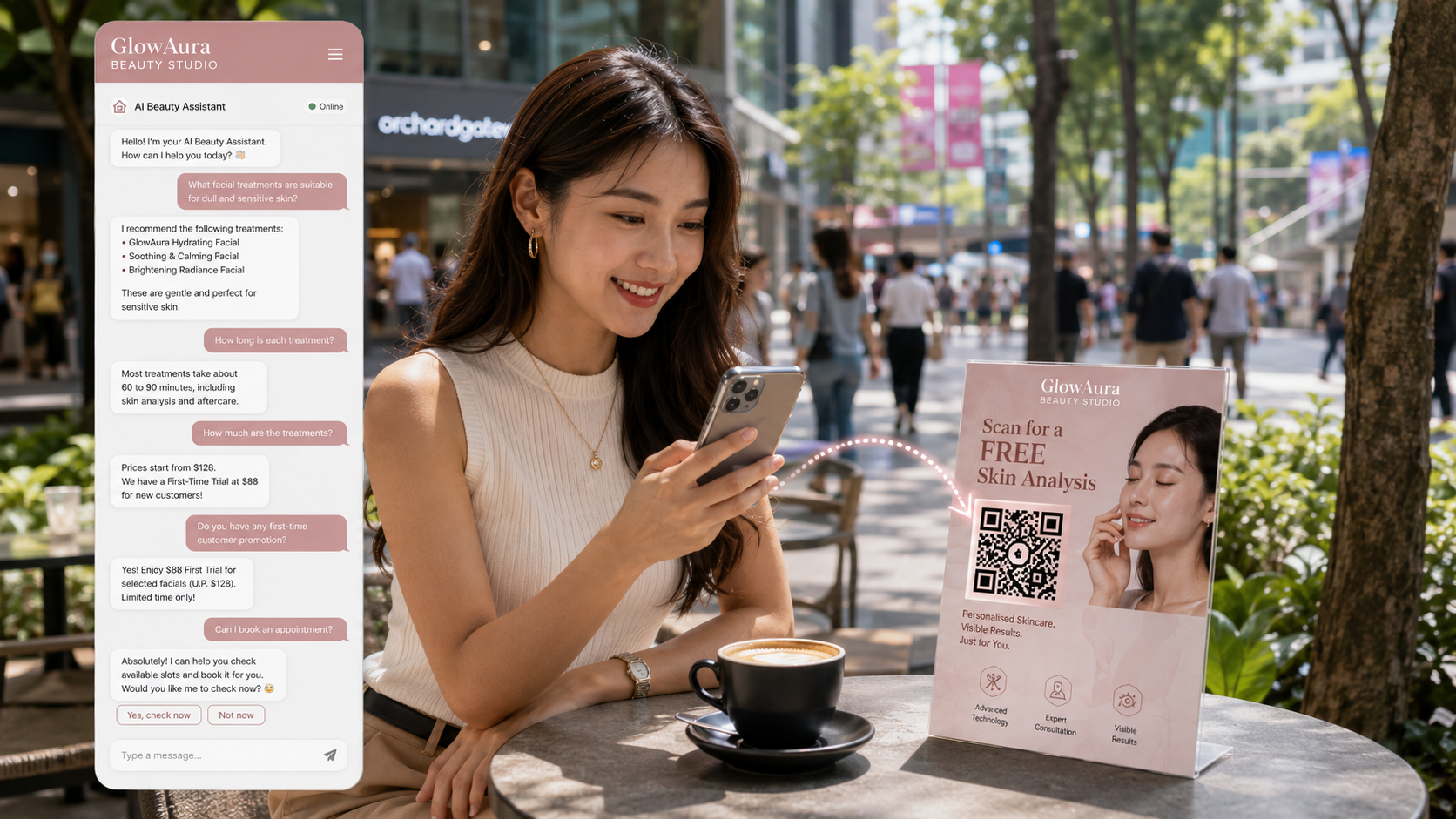
Beauty treatments often generate many questions before customers are ready to book. A QR code on a promotional flyer can connect customers with an AI assistant that recommends suitable facial treatments based on skin concerns, explains treatment durations, answers pricing questions, and even helps schedule appointments. Customers receive personalised guidance without waiting for business hours.
Property
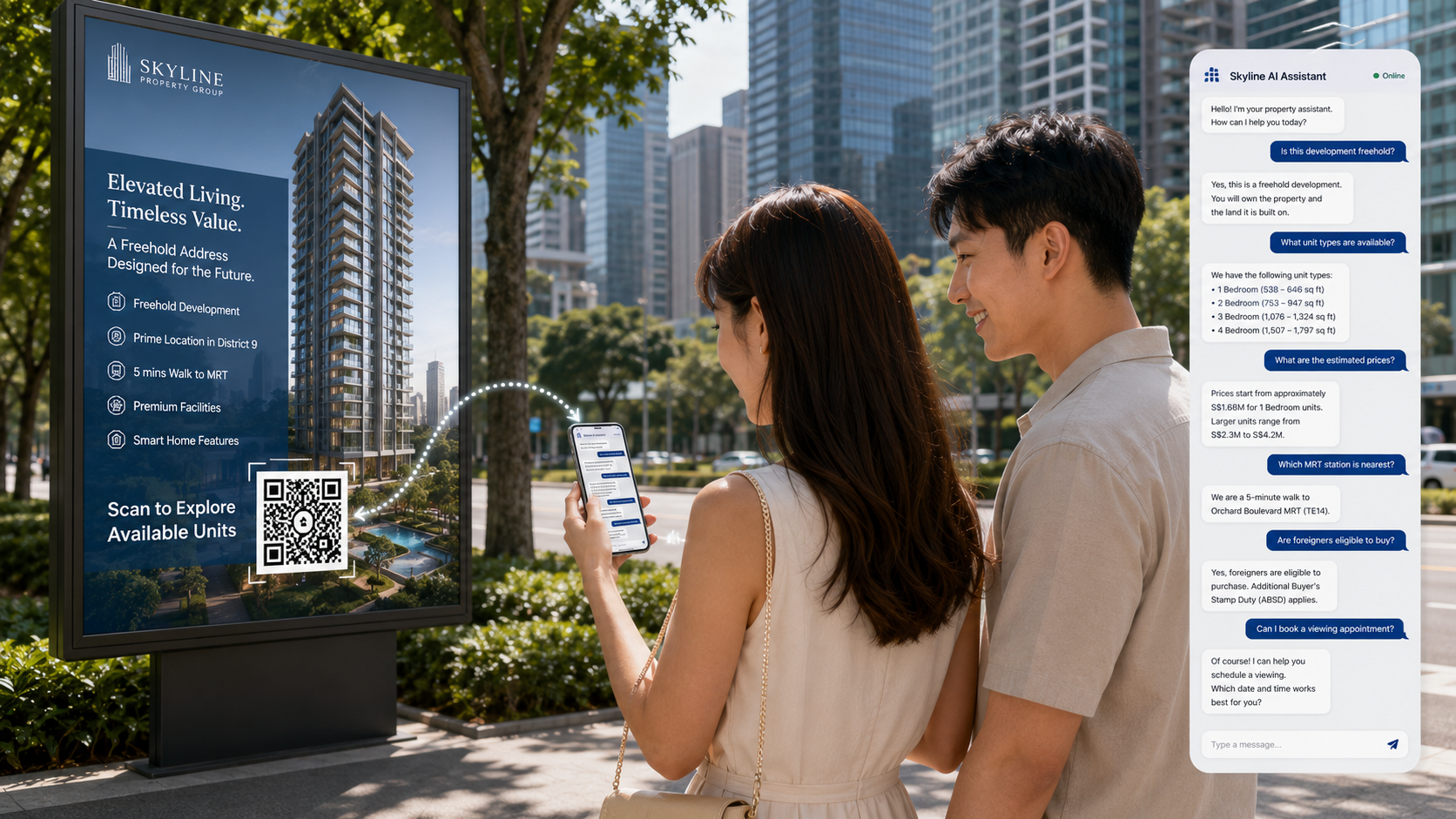
Property buyers usually need immediate answers before arranging a viewing. By scanning a QR code on a property brochure, prospects can ask about freehold status, eligibility for foreign buyers, available unit types, estimated prices, nearby amenities, and appointment availability. This helps property agents qualify leads while providing useful information instantly.
Tuition
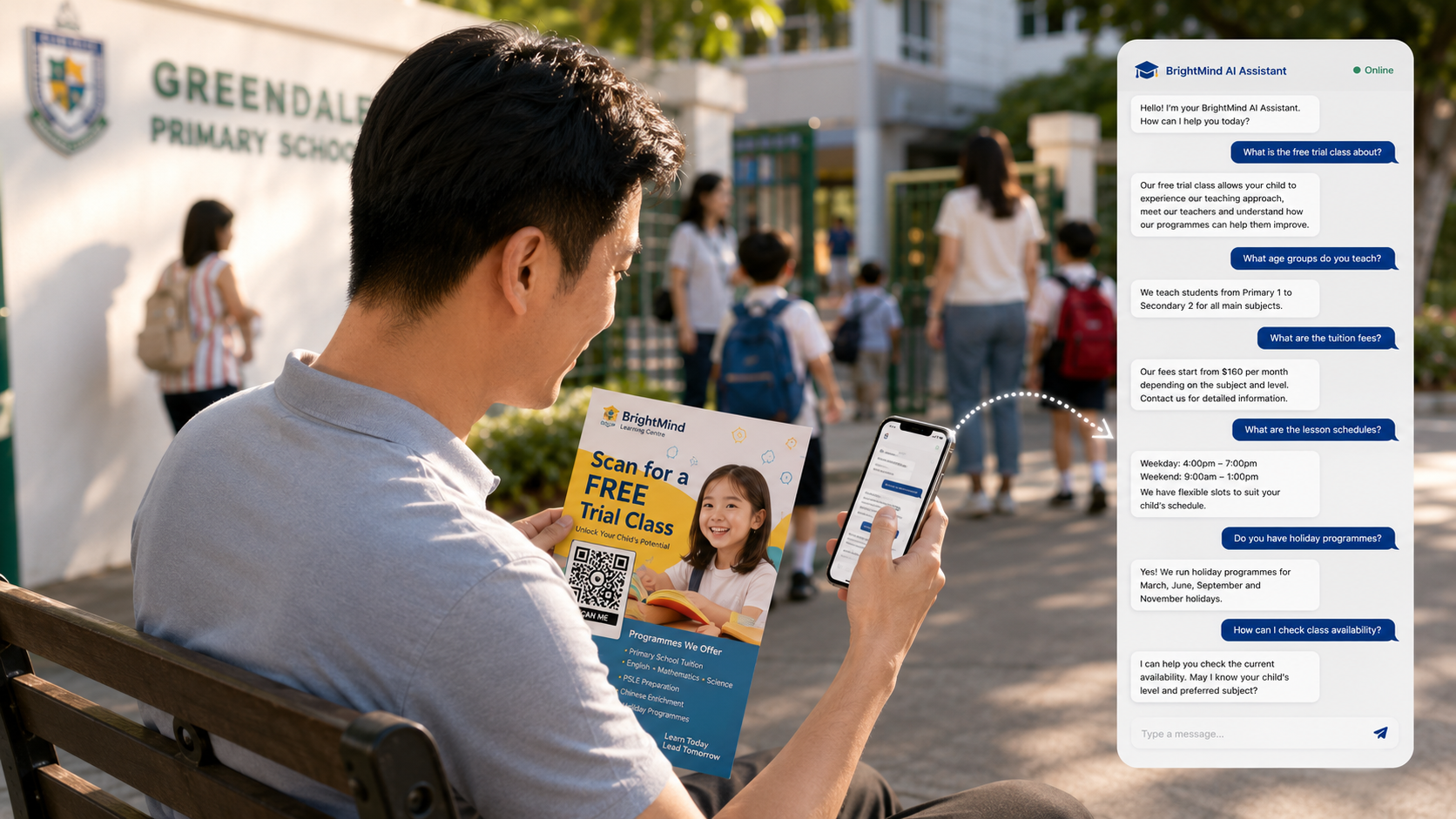
Parents often compare several enrichment centres before making a decision. AI QR flyers allow parents to ask about trial classes, age groups, lesson schedules, tuition fees, and class availability immediately after scanning the flyer. The chatbot provides clear answers while encouraging enquiries and registrations.
Events and Retail
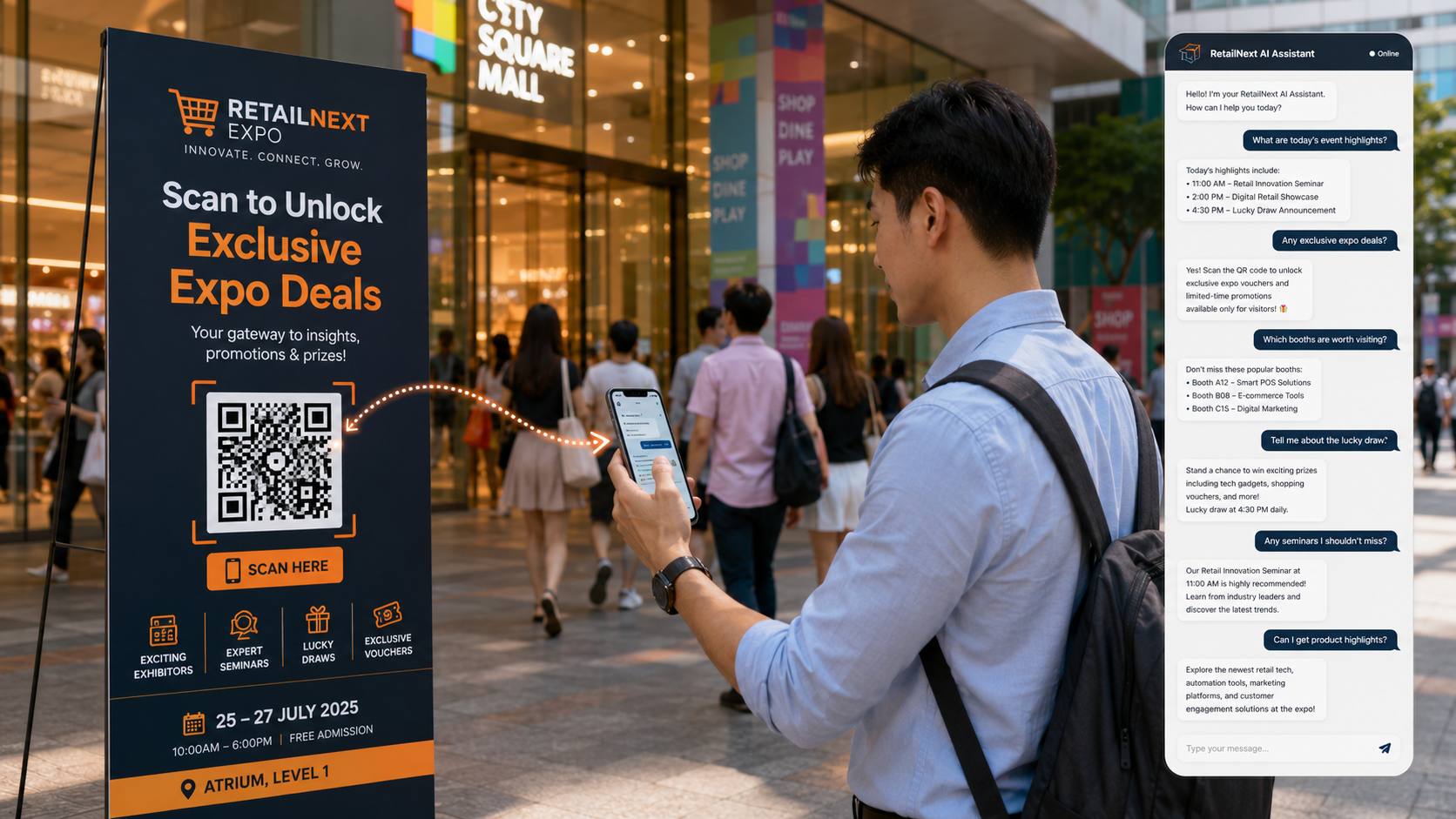
AI QR flyers are equally valuable during exhibitions, roadshows, retail promotions, and conferences. Visitors can scan QR codes displayed on booths or promotional materials to receive product recommendations, event schedules, promotional vouchers, frequently asked questions, or exclusive offers. Staff can focus on meaningful conversations while the AI assistant handles repetitive enquiries.
How FDSG Can Help
Digital flyers have already transformed how Singapore SMEs connect offline marketing with online engagement. AI chatbots represent the next step in this journey by giving customers instant answers, personalised recommendations, and interactive experiences after every scan. Instead of leaving visitors to navigate a landing page on their own, businesses can guide each customer through a natural conversation that builds confidence and encourages action.

For SMEs, this creates several advantages. Customers receive information immediately, businesses reduce repetitive enquiries, campaigns become more engaging through games and promotions, and every interaction becomes another opportunity to generate leads or sales. The result is a smoother customer journey from printed flyer to meaningful engagement.
At FDSG, we believe digital flyers should continue evolving alongside customer expectations. By combining QR code marketing, digital flyers, landing pages, and future AI chatbot integration, businesses can create smarter campaigns that do more than attract scans. They build conversations, strengthen customer relationships, and increase conversions. As digital marketing continues to evolve, every QR code has the potential to become the beginning of a personalised customer experience rather than simply a link to another webpage.